
The most modern treatment for ACL rupture
The arthroscopic All INSIDE technique shows much better functional and aesthetic results in the reconstruction of the anterior cruciate ligament (ACL). Less tissue damage, less postoperative pain, better cosmetic outcome, and faster return to daily and athletic activities are some of its main advantages.
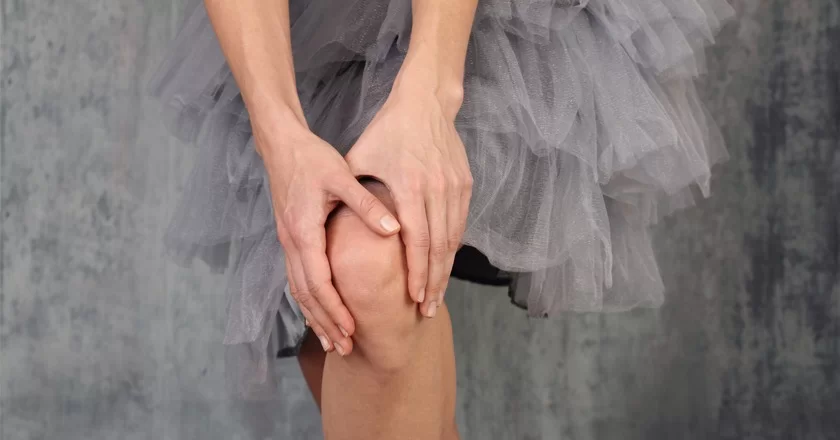
The rupture of the anterior cruciate ligament (ACL) is one of the most common knee injuries, leading to functional instability and progressive joint degeneration. It is more frequently observed in professionals (e.g., dancers) and athletes undergoing intense knee strain and sudden direction changes.
What is the “right” treatment?
The “right” treatment, whether conservative or surgical, varies per patient and depends on their unique needs. The orthopedic surgeon must consider:
- The patient’s age
- Their daily demands
- Their type of work
- Their athletic activities
- Any coexisting injuries
- The degree of instability caused by the rupture
Indications for surgical treatment
In young athletes and active individuals with a complete ACL rupture, conservative treatment usually proves insufficient. Since the ACL has limited healing capacity compared to other ligaments, knee instability typically persists, and function is not fully restored. In athletes eager to return to sports immediately after the acute phase with conservative management, instability may cause new serious knee injuries such as meniscal tears and cartilage damage.
Preparation before surgery
Strengthening the muscles around the torn ACL through physiotherapy and exercise can begin even before surgery to accelerate recovery afterward.
Modern treatment of ACL rupture
In ACL reconstruction, the orthopedic surgeon replaces the torn ACL with a graft from the patient’s own body. The operation is performed arthroscopically, a minimally invasive technique using small incisions only a few millimeters wide. The graft usually consists of tendons from the hamstrings, part of the patellar tendon, or less commonly, the quadriceps tendon. Proper graft preparation is crucial for good integration and maximum strength. During surgery, the surgeon can also repair any other coexisting injuries detected.
The choice of arthroscopic technique, graft type, and fixation method must always be individualized.
The All INSIDE technique
In recent years, there have been major advances in arthroscopic ACL reconstruction techniques. The ALL INSIDE technique is the newest method and offers significant advantages over traditional techniques:
- Only one tendon from the hamstrings (the semitendinosus) is used instead of two as in classic methods, creating a quadruple-strand graft. This preserves the other tendon, maintaining better knee function and greater muscle strength, as well as less postoperative pain.
- Smaller bone tunnels are drilled, preserving almost intact the cortical bone, which helps better fixation and integration of the graft.
- No screws or other materials are inserted inside the bone; instead, the graft is fixed with special “buttons” outside the bone tunnels, on the femur and tibia.
- The injury to the growth plate of the tibia in children is minimized, reducing the risk of growth disturbances compared to the classic technique.
- Skin incisions are much smaller, resulting in better cosmetic outcomes.
- Faster healing and recovery compared to classic ACL reconstruction.
- The All INSIDE technique is a highly demanding procedure, and its success depends greatly on the surgeon’s expertise and experience.
ACL rupture and recovery time
Postoperative rehabilitation is a very important part of the patient’s return to activity and can start immediately. A few hours after surgery, the patient can get up with crutches and return home. Biological treatments with stem cells and PRP may enhance and accelerate graft healing and integration.
Depending on the graft used, the patient follows a specially designed rehabilitation protocol. The physiotherapy program initially focuses on restoring full knee range of motion and preventing further muscle loss. It then includes strengthening exercises designed to protect the new ligament. The final phase involves specialized exercises to help the patient return to their sport.
Although return to daily activities is quick, full return to competitive sports should not occur before 6 months. This is the average time required for proper graft integration. The overall recovery time is individualized by the surgeon.