
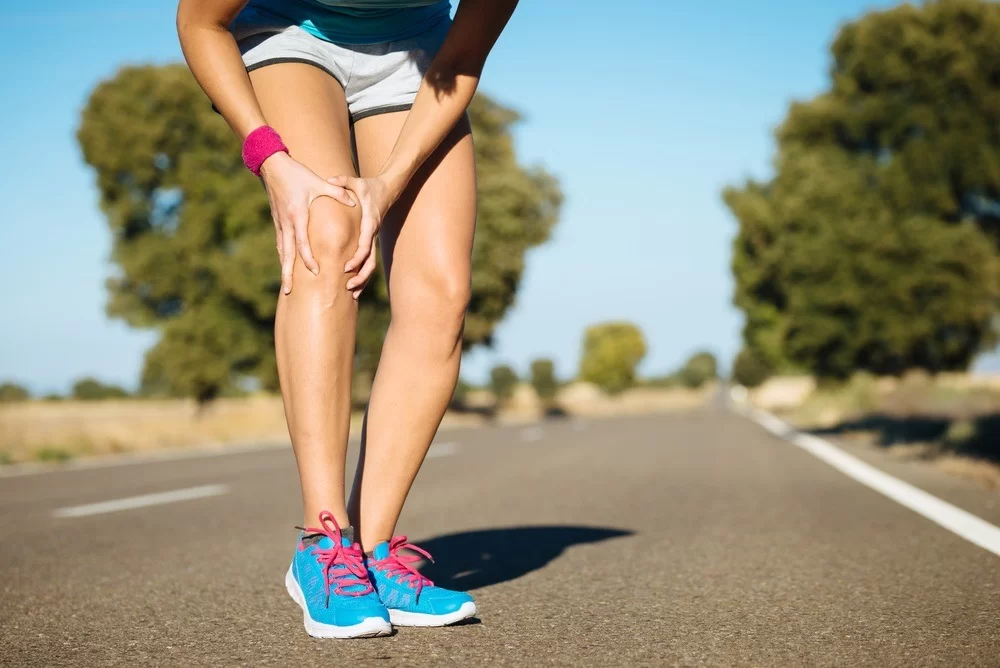
An anterior cruciate ligament (ACL) tear is one of the most frequent knee injuries, causing joint instability and progressive wear of the knee. It is more common among professionals (e.g., dancers) and athletes, especially in sports involving intense knee strain and sudden direction changes, such as football, skiing, basketball, and volleyball.
Myth 1: Men and women have the same risk of ACL tears
Several studies have shown that female athletes experience a higher rate of ACL tears compared to male athletes in the same sport. Proposed contributing factors include anatomical and biomechanical differences, such as variations in physical condition, muscle strength, neuromuscular control, pelvic anatomy, lower limb alignment, ligament laxity, and the influence of estrogen on ligaments.
Myth 2: Wearing a knee brace or strengthening your quads is enough to prevent an ACL tear
Wearing a brace constantly without following a sport-specific training program can create dependence on the brace and weaken the knee, increasing the risk of injury. Knee braces are recommended only post-injury or post-surgery.
Strengthening the quadriceps (front thigh muscles) is essential for knee stability. However, new biomechanical studies emphasize that hamstring strengthening is equally important to avoid muscle imbalances that could lead to injury.
ACL injuries are largely preventable through consistent training, not just during pre-season. This includes plyometric exercises, balance drills, and strengthening exercises for the quadriceps, hamstrings, glutes, and core.
Myth 3: Surgery is the only treatment option
A torn ACL cannot heal on its own without surgery. Unlike other ligaments, it has limited regenerative capacity, meaning that knee instability often persists, and the ligament’s function isn’t restored. This instability can lead to secondary injuries, such as cartilage or meniscal damage, and even osteoarthritis.
The right treatment—conservative or surgical—depends on the patient’s unique needs. The orthopedic surgeon will consider the tear type (partial or complete, acute or chronic), activity level (occupation and sports), age, any additional injuries, and the degree of instability.
For example, a young, active athlete with instability symptoms will likely require surgery to continue participating in sports. In contrast, a less active person, typically over 50–55 years old with minimal instability, may return to daily activities with conservative management.
Myth 4: ACL surgery requires large open incisions
The surgery (ACL reconstruction) is performed arthroscopically, without opening the knee joint. It is done through tiny incisions just a few millimeters wide. Arthroscopic surgery is safer, less invasive, bloodless, and typically does not require hospitalization.
During the procedure, the torn ACL is replaced with a tendon graft, usually harvested from the patient’s own body (for faster and stronger healing). Any associated injuries are also treated.
Myth 5: Surgery means days of hospitalization and a leg cast
Patients are usually able to stand and leave the hospital the same day with immediate knee mobilization. In the first few days, using crutches or a supportive brace may help, though they’re not always necessary.
Myth 6: Stem cells alone can heal a torn ACL
Stem cells cannot reattach a torn ACL. However, when combined with arthroscopic treatment, they can help speed up healing and graft integration.
Myth 7: You can’t run or return to sports after ACL surgery
Healing after ACL surgery takes time for the graft to:
- biologically integrate with the bone
- revascularize (restore blood supply), a process that can take several months
A targeted physiotherapy program is critical for recovery. Initially, rehab focuses on restoring full range of motion and preventing muscle loss. Later, the focus shifts to strengthening exercises that protect the new ligament.
Return to sports can begin gradually after 3–4 months, while full recovery and return to pre-injury performance typically take around 6 months.
Learn more in the interview with Orthopedic Surgeon – Sports Medicine Specialist Anastasios Deligeorgis on the sports radio station OverFM 104.9 with Giorgos Kongalidis.