
Swimmer’s Shoulder: What is it and How is it Treated?
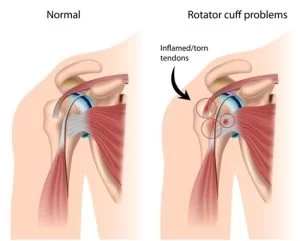
Our shoulders are vulnerable to injuries during swimming since they bear the brunt of the rotational movements of the arms. The most common cause of shoulder pain in people who swim intensively, whether at amateur or professional levels, is the so-called “swimmer’s shoulder,” which is inflammation of the rotator cuff tendons or impingement/friction of various structures in the shoulder.
The best way to prevent these injuries is to strengthen the muscles and tendons within the rotator cuff and/or improve swimming technique.
Causes and Symptoms of Swimmer’s Shoulder
The primary causes of swimmer’s shoulder are overuse of the joint (e.g., intensive training for a competition), subjecting untrained muscles to intense exercise, and improper swimming technique. It can also result from previous injuries that caused anatomical damage such as a tear of the labrum or rotator cuff tendon.
The main symptom is pain. Usually, it is difficult to pinpoint exactly and is described as deep inside the shoulder joint, but it can also radiate upward to the back or neck, or downward into the arm. If the swimmer ignores the symptoms and continues swimming, the pain may occur even at rest or during sleep.
Get the Help You Need Today!
How is Swimmer’s Shoulder diagnosed?
Diagnosis is made through clinical examination, while X-rays or an MRI scan of the shoulder may be needed to accurately reveal any pathology.
In most cases, treatment of the injury is conservative. In the early stages of pain, it is recommended to:
- Rest the shoulder
- Apply ice therapy
- Take painkillers/anti-inflammatory medications to reduce inflammation
At the same time, you can start a targeted physical therapy and muscle strengthening program to improve range of motion and better stabilize the shoulder. Additionally, injections of biological factors (P.R.P) can be administered with very good results.
In cases where conservative treatment fails (maximum waiting time 6 months) or if damage to the stabilizing tissues of the joint (labrum) or rotator cuff tear is diagnosed, swimmer’s shoulder is treated with the minimally invasive method of Arthroscopy.
What is the shoulder arthroscopy procedure?
Arthroscopy is a modern technique that allows the orthopedic surgeon to examine the inside of the shoulder joint without damaging it, precisely locate any damage, and simultaneously repair it using specially designed, very thin instruments. For example, the surgeon can repair torn tendons, release adhesions, or fix damage caused by dislocation (e.g., labrum repair).
During the procedure, the surgeon inserts the arthroscope—a small camera connected to a screen that displays a highly magnified, clear, and colored image of the joint’s interior—through tiny incisions only a few millimeters long.
In most cases, shoulder arthroscopy lasts no more than one hour, is performed under combined regional and mild general anesthesia, and the patient goes home the same day.
Get the Help You Need Today!
What are the advantages of shoulder arthroscopy?
- More effective and faster therapeutic recovery
- Minimally traumatic method
- Significantly lower risk of complications
- Minimal postoperative pain
- Better cosmetic result due to very small incisions (no scars or skin deformities)
- No hospitalization required
How is swimmer’s shoulder rehabilitation done?
After surgery, for the first few days, use of a special shoulder sling is usually recommended, which allows limited use of the arm for basic daily functions. Stitches are generally removed after a few days.
Successful recovery requires the patient to follow a specialized physical therapy program thereafter.