
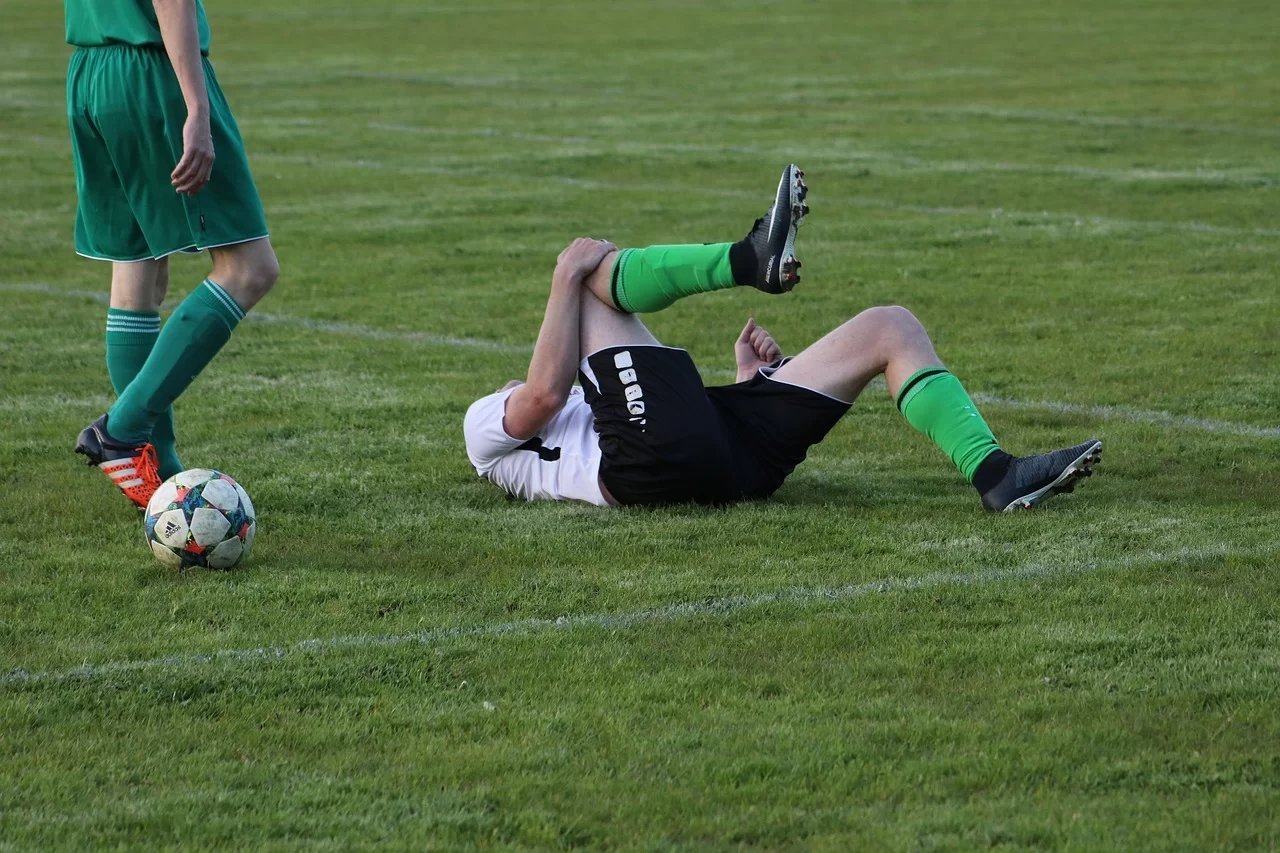
A meniscus tear is one of the most common knee injuries. It occurs frequently in athletes during sports activities but also in older individuals due to degeneration and loss of meniscal elasticity.
The latest guidelines by the European Society of Sports Traumatology, Knee Surgery and Arthroscopy (ESSKA) and the International Society of Arthroscopy, Knee Surgery and Orthopaedic Sports Medicine (ISAKOS), under the motto “save the meniscus”, aim to preserve as much of the meniscus as possible and, when feasible, to repair it through suturing rather than simply removing the damaged parts.
Preserving the meniscus helps maintain proper knee function and reduces the risk of developing early degenerative changes such as osteoarthritis.
What Are Menisci and What Is Their Role?
There are two menisci in the knee, crescent-shaped cartilaginous structures positioned between the femur and the tibia. They are composed of a network of collagen fibers, proteoglycans, and glycoproteins.
Their primary role is to evenly distribute load during weight-bearing and walking, stabilize and lubricate the joint, and protect the articular surfaces from wear and degeneration—helping maintain a healthy knee joint.
Losing part or all of the meniscus due to a tear predisposes the knee to degenerative changes over time, accompanied by relevant symptoms.
The healing capacity of the meniscus after a tear is limited, mainly because of its poor blood supply. Only the outer 10–30% of the meniscus receives blood, while the central part has no vascular supply.
Thus, repairing the meniscus through suturing—when possible—is an important treatment option.
Diagnosis of Meniscus Tear
Diagnosis is based on medical history, clinical examination, and MRI results.
In athletes, a meniscus tear is often accompanied by other injuries, such as an anterior cruciate ligament (ACL) tear.
Treatment Options
Timely treatment—whether conservative or surgical—is recommended, as delays can worsen cartilage damage or extend the injury.
In cases of degenerative tears with mild symptoms, conservative treatment may include:
- Rest
- Ice therapy
- Elastic bandaging
- Anti-inflammatory medications
For traumatic tears with severe or worsening symptoms (e.g. swelling, inability to extend the leg), surgical intervention with arthroscopy is advised.
Arthroscopic Treatment
During arthroscopy, the orthopedic surgeon uses a tiny camera (arthroscope) and specialized tools through two small incisions to visualize and treat the injury.
Three options are available:
- Partial meniscectomy (removal of the damaged portion)
- Meniscus repair (suturing)
- A combination of both
The chosen method depends on the tear’s location and type, the presence of other injuries, the patient’s age, activity level, and knee anatomy. Postoperative recovery time also varies accordingly.
Since it’s often not possible to fully assess the repairability of the meniscus before surgery, the final decision is made during the arthroscopy.
Patients are usually discharged the same day.
Partial Meniscectomy
If the tear is located in the central part of the meniscus—where blood supply is poor—the surgeon carefully removes only the damaged tissue and smooths the edges of the remaining meniscus.
Recovery
- Daily activities resume after a few days
- Return to sports in 10–20 days
- A personalized knee strengthening program is recommended
If the remaining meniscus is healthy and sufficient, outcomes are generally good with quick recovery and minimal complications.
However, removing a large portion—or the entire meniscus—can lead to gradual onset of arthritis.
Meniscus Repair (Suturing)
In younger patients, or in active older individuals, if the tear is located in the outer zone of the meniscus (with adequate blood supply), the surgeon may opt for suturing the torn area to preserve the meniscus.
This is a technically demanding procedure performed by specialized orthopedic surgeons.
“Root Lesions”
These involve a tear at the root attachment of the meniscus. Recent studies show that failing to repair these lesions eliminates the meniscus’s protective function—equivalent to removing it—leading to early arthritis or even spontaneous osteonecrosis.
Treatment involves reattaching the root to its original anatomical position using advanced arthroscopic techniques.
“Ramp Lesions”
These are known as “hidden lesions” because they may not appear on MRI or even during regular arthroscopy.
They cause meniscal instability and, if left untreated, may lead to persistent knee symptoms or arthritis.
Diagnosis and repair require a third posterior arthroscopic portal, through which these lesions are visualized and sutured.
Postoperative Recovery
Although the patient is usually discharged from the hospital within a few hours, a comprehensive rehabilitation program is required.
The recovery period after meniscus repair is longer than that following partial meniscus removal. The patient needs to avoid putting weight on the operated leg and use crutches for 4 to 6 weeks. Afterwards, they must follow a muscle strengthening program (focused on the knee) as well as undergo physiotherapy sessions.
Return to sports activities can be done gradually, typically after 3 to 4 months.