
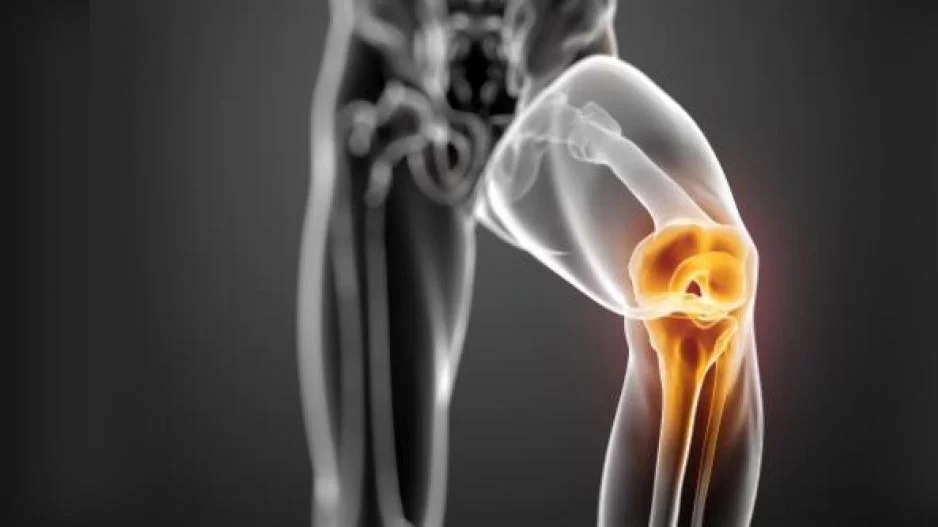
Arthroplasty is a surgical procedure that replaces damaged joint surfaces with a special prosthesis. It restores joint function and relieves the patient from pain, allowing them to return to normal daily activities and improve their quality of life.
The newest and most effective method of total arthroplasty is the Minimally Invasive Surgery (MIS), which offers much better results compared to traditional methods in a significantly shorter time.
The incisions are much smaller compared to classic arthroplasty, resulting in no damage to the anatomical structures around the joint and minimizing blood loss. The patient experiences minimal postoperative pain, quickly regains joint mobility, and returns to activities faster.
The joint replacement prosthesis consists of special titanium and steel alloys as well as a plastic (polyethylene) spacer, materials that are very durable, have a long lifespan, and are fully compatible with the body. The parts of this artificial joint closely resemble the natural joint.
The patient can stand a few hours after the surgery, once the effect of anesthesia wears off, and can usually return home after 1 day following shoulder arthroplasty and typically after 1-2 days following hip or knee arthroplasty, depending on their clinical condition and medical history.
Advantages of MIS Arthroplasty
- Avoidance of muscle injury
- Smaller incisions and avoidance of postoperative scars
- Reduced hospital stay
- Less blood loss and reduced need for transfusions
- Immediate mobilization after surgery
- Minimal postoperative pain
- Faster recovery and quicker return to daily activities
MIS Arthroplasty Techniques
Various minimally invasive techniques combined with fast-track recovery protocols provide better and quicker outcomes compared to traditional techniques.
For hip arthroplasty, the most common minimally invasive techniques are classic, AMIS, ALMIS, and mini posterior approaches, which mainly differ in the access point (anterior, anterolateral, or posterior approaches).
In the knee, personalized total arthroplasty can also be performed, which is designed according to the unique anatomy of each patient (custom-made femoral and tibial guides). Additionally, in younger patients with osteoarthritis affecting only one compartment of the knee, partial (unicompartmental) arthroplasty can be applied, where only the damaged part is replaced with an artificial implant/prosthesis while the healthy cartilage surfaces of the rest of the knee remain intact.
In the shoulder, besides the classic arthroplasty, the most modern reverse total arthroplasty is applied. This is indicated for patients with severely damaged shoulders where arthritis is accompanied by an irreparable tear of the rotator cuff tendons (rotator cuff arthropathy), as well as in some types of fractures.
Robot-Assisted Arthroplasty with the MAKO System
Using the MAKO robotic-assisted system, partial or total knee arthroplasty and total hip arthroplasty can be performed with high precision, resulting in an outcome that closely mimics the natural human knee or hip.