
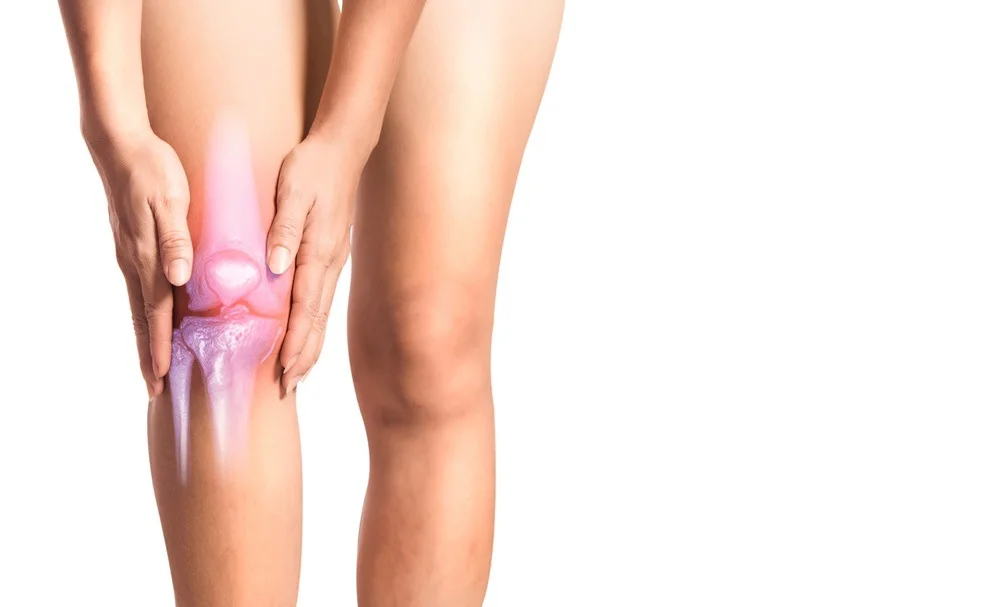
An anterior cruciate ligament (ACL) tear is a serious condition that affects the knee and can have significant consequences for a person’s mobility and quality of life. It’s important to understand what it is, its causes, the symptoms it may present, and the treatment options available.
What is the Anterior Cruciate Ligament?
The ACL is one of the four main ligaments that stabilize the knee. It connects the femur (thighbone) to the tibia (shinbone), prevents the tibia from sliding too far forward in relation to the femur, and plays a key role in the rotational stability of the knee.
Causes of ACL Tears
The main causes include injuries during sports but not exclusively. An ACL tear can occur after a jump, a sudden change of direction, a twisting injury, or a fall.
Several studies have shown that female athletes are more likely to suffer an ACL tear compared to male athletes in certain sports. Possible reasons include differences in physical condition, muscle strength, neuromuscular control, and anatomical differences.
Symptoms
At the moment of injury, there is often a feeling that something “pops” or “breaks” in the knee. Following the injury, there may be pain, swelling, limited movement, and instability.
More specifically:
- A popping sound or sensation at the time of injury
- Severe pain and swelling, which may occur immediately or develop over a few hours
- A feeling of instability in the knee
- Weakness in the affected leg
- Difficulty walking or running
- A sensation that the knee is “locking”
Treatment
A torn ACL cannot heal on its own without surgery. Unlike other ligaments, it has limited healing or regenerative capacity, which means the instability it causes usually persists, and knee function is not restored. However, older patients with low levels of activity and no associated injuries may respond well to conservative treatment.
Conservative Treatment
Initial management in the acute phase includes:
- Ice therapy
- Compression
- Elevation of the leg
- Pain relievers and anti-inflammatory medications
- Rest, use of a brace, and partial weight-bearing with crutches
Subsequent care includes:
- Physical therapy and exercises to strengthen the muscles around the knee
- Balance and coordination exercises
- Range-of-motion exercises
Surgical Treatment
Young patients and active individuals of any age with symptoms of instability should undergo surgery.
Surgical treatment is performed through knee arthroscopy, a minimally invasive technique using small incisions. The torn ACL is replaced (reconstruction) using a graft, usually taken from the patient’s own tissue.
The choice of arthroscopic technique, graft type, and fixation method must always be individualized. The most advanced arthroscopic method is the “All Inside” technique, which offers significant advantages over traditional approaches.
Conclusion
An ACL tear is a serious condition that requires prompt attention and treatment. With proper diagnosis and the right therapeutic approach, patients can recover and regain knee function.
It is essential to consult an orthopedic specialist for the best possible care and recovery. Orthopedic Surgeon Dr. Anastasios Deligeorgis has years of experience and specializes in knee surgery.
Contact him today and address your issue with the safety and reliability of a true expert!ειδικού!