
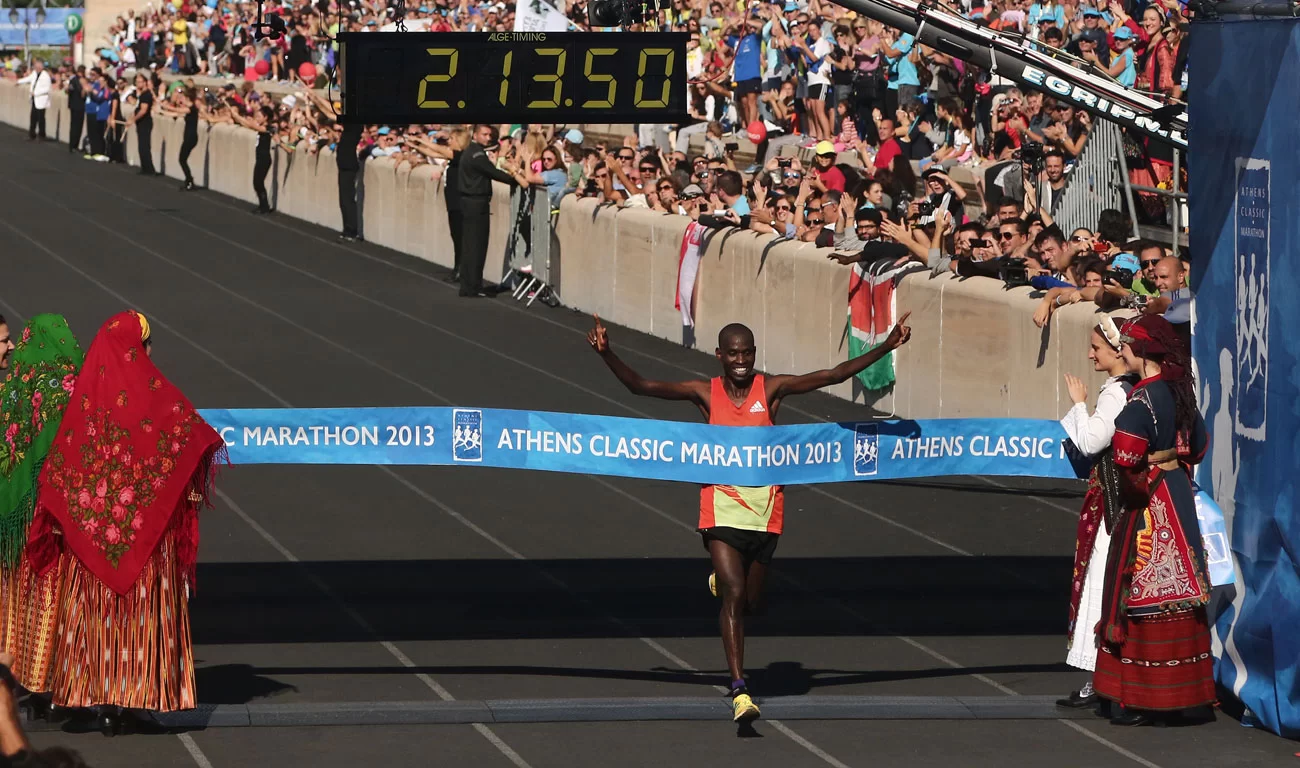
The day of the authentic Athens Marathon is approaching, and in recent years, public participation has shown a steady increase.
Participation in the Marathon, as well as in the 5 km and 10 km races for the general public, should above all be a fun, safe, and rewarding experience. Preparation is not easy and requires a lot of time, discipline, and dedication. Sometimes it may seem very difficult, and in some cases, it can lead to injuries, especially for new, inexperienced runners or those running a marathon for the first time.
It is important to remember that in the marathon, what matters most is not just the finishing time but mainly to enjoy the race and avoid injuries.
Injuries during the last few weeks before the marathon are common and can be devastating for the athlete, forcing them to withdraw after months of hard training.
Here are some simple tips to avoid last-minute injuries:
- Avoid overtraining
Make sure you get enough rest between training sessions. This is the period when the body recovers but also improves physical condition! You should rest at least 1-2 times per week and do alternative exercises such as cycling or swimming 1-2 times, so you provide your body with exercise variety and rest your joints and muscles from impact while improving your aerobic capacity! - Don’t forget to stretch
Stretching after running reduces muscle stiffness and improves flexibility. Regular stretches done properly will help you avoid injuries. Stretch all major muscle groups in the lower limbs. - Avoid sudden changes in your training
Do not abruptly increase your training load or add new elements, such as hill running, in the last weeks if you have not done it before. Sudden changes can add new stress on muscles and joints and lead to injury. - Check your running shoes
Make sure your shoes are not worn out. Wear good quality running shoes during training and the race. If possible, alternate between at least two pairs during training to make them last longer. Replace them when they lose their shock absorption, usually after about 700-800 kilometers. Buy the right running shoes based on your foot strike. A specialist doctor, physiotherapist, or a specialized store with trained staff can help you with this. Also, good socks can help prevent pressure points and blisters. Wear appropriate clothing for the weather conditions—lightweight, minimizing chafing, and allowing good breathability. Never wear new clothes or shoes in the race that you haven’t tested during training. - Pay attention to your diet
During marathon preparation, you burn a lot of energy. Make sure to replenish this energy with quality nutritious foods. Complex carbohydrates found in pasta and potatoes are ideal to replace energy loss and help prevent fatigue that may cause injuries. Proteins are essential for muscle repair and recovery from micro-injuries caused by training. The best sources of protein are lean meat, dairy products, and eggs. - Hydration and adequate energy intake
Proper hydration and nutrition are essential for successful preparation and a good race. During training and the race, you must stay well hydrated. Don’t wait to feel thirsty before drinking water because then it will be too late. Depending on weather conditions and personal characteristics (how much you sweat), you need to regularly replenish fluids with water or isotonic drinks. You can check if you’re drinking enough by weighing yourself before and after training; if you lose more than 2% of your body weight, you’re not drinking enough. Another indicator is the color of your urine after training—if it’s very dark, you need more fluids. For training or races longer than 90 minutes, besides water and electrolytes, energy intake is necessary. You can eat an energy bar or gel. It’s best to try during training what you plan to consume in the race. You can find out which company will supply isotonic drinks and gels at the event and try them out beforehand. Be cautious about excessive water intake during the race as it can lead to hyponatremia, which has serious health consequences. - Be careful with injuries
If you get injured during training, take care. Initially, depending on the injury, you should rest, apply ice to the area, and possibly use a bandage. If symptoms persist or you have to change your running technique to avoid pain, you should visit an orthopedic doctor, preferably one specialized in sports injuries. During recovery, you can do other aerobic exercises that do not worsen the injury, such as cycling, swimming, or elliptical training, to maintain your fitness while resting your legs. - Listen to your body
Although marathon training requires dedication, patience, and perseverance, if one day you feel particularly tired or sick, it is better to avoid training, as there are risks and it may harm your health. If you have persistent pain that doesn’t go away after warming up and especially if it worsens, it may be better to stop for a short time and see a specialist. Don’t forget to rest and get enough sleep. Marathon training puts significant strain on your body, and adequate rest and good sleep are important to avoid injuries and not to reach the race exhausted. - Get a sports massage
Το αθλητικό μασάζ θα σας βοηθήσει να χαλαρώσετε το μυϊκό σας σύστημα, να βελτιώσετε την ελαστικότητά σας, να αποβάλλετε πιο εύκολα το γαλακτικό οξύ που συσσωρεύεται μετά τις δύσκολες προπονήσεις και τέλος να λυθούν τυχόν μυϊκοί σπασμοί και συμφύσεις. - Tapering before the race
One of the most important phases of marathon training is the last 2-3 weeks before the race. If you have missed any training sessions for any reason, it is wrong to try to make them up during this period. During this time, you should run less and rest more, progressively reducing the total kilometers you run. This will allow you to recover from the training you have done previously and prepare for the race.
I wish you strength and good luck!
I hope your participation in the race will be a pleasant and unforgettable experience!