

The application of Fast-Track Recovery Protocols in hip and knee arthroplasty offers a significantly better outcome and faster recovery for a substantial percentage of patients compared to traditional techniques.
Fast-Track Protocols include the use of the latest Minimally Invasive Surgery (MIS) techniques, specialized anesthesiological methods, and specific postoperative care and nursing practices. They primarily allow for immediate mobilization (a few hours after surgery), reduction of postoperative pain, and minimization of hospital stay duration to 1–2 days.
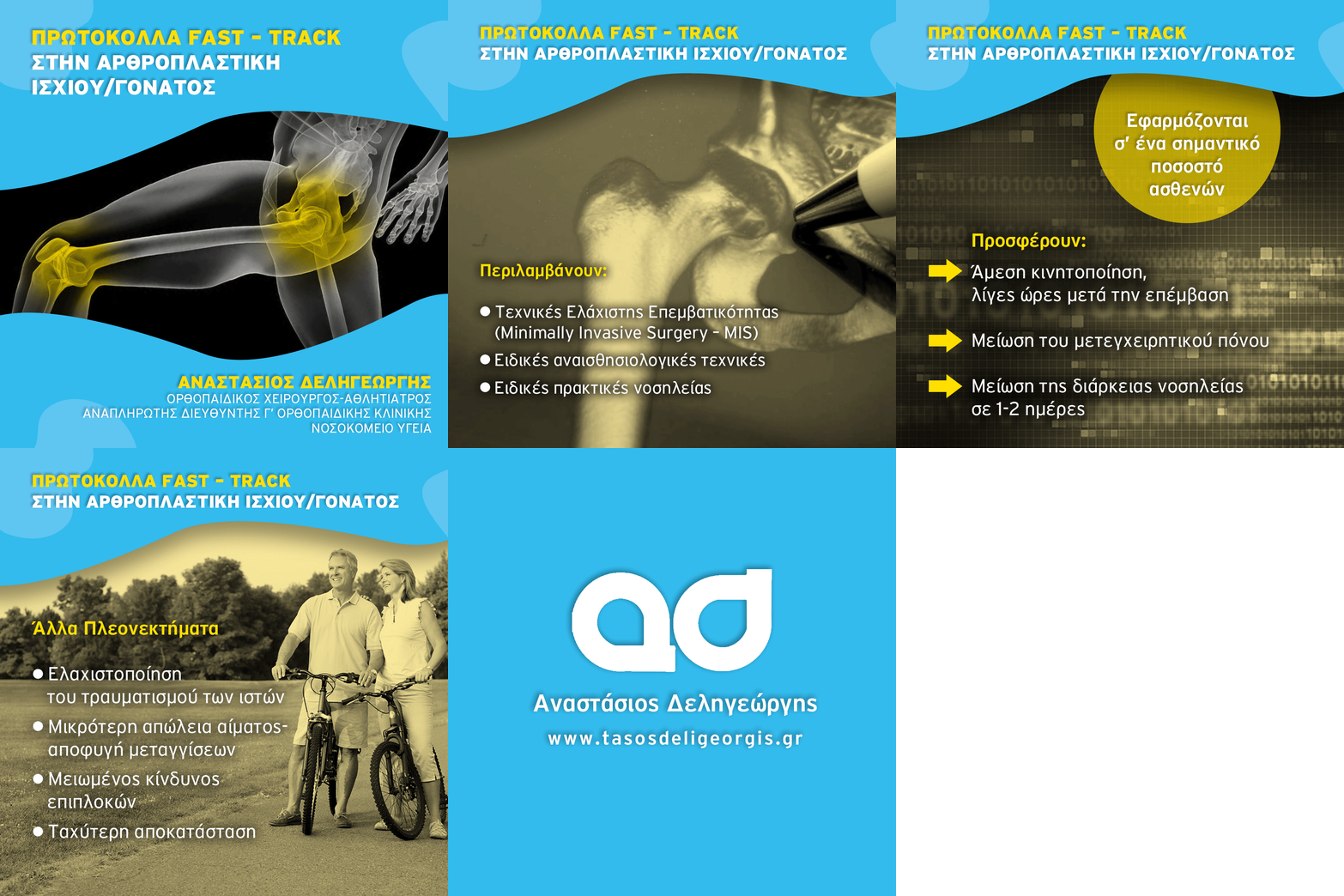
More specifically:
Fast-Track Protocols are applied in hip and knee arthroplasty, which are indicated for patients with advanced and chronic arthritis of any type (osteoarthritis, rheumatoid arthritis, post-traumatic), after all conservative treatments have failed. With arthroplasty, the damaged surface of the knee/hip is replaced with a special prosthesis, thereby restoring joint function and relieving the patient from pain.
During the surgery, the application of Minimally Invasive Surgery (MIS) techniques offers, through a much smaller incision (about half the size of the traditional one), minimization of tissue and muscle trauma, reduced blood loss, and decreased postoperative pain. In cases where robotic technology is used, arthroplasty is characterized by exceptional precision in implant placement according to the preoperative plan.
At the same time, specialized anesthesiological techniques (protocols) allow faster patient awakening and reduce postoperative pain, which is now easily managed with simple painkillers.
The patient is mobilized with the help of a physiotherapist and according to the instructions of the specialized orthopedic surgeon, just a few hours after surgery once the anesthesia effect wears off, and can return home after 1–2 days. It is noted that the length of hospital stay depends on preoperative assessment, health history, and the patient’s clinical condition, always prioritizing their safety.
With the application of Fast-Track Protocols, complications typically encountered in conventional arthroplasties are minimized. For example, complications such as bleeding and the need for transfusion, thrombosis, and pressure sores due to immobility are significantly reduced or eliminated.
The immediate start of a physiotherapy rehabilitation program is an essential part of recovery and contributes to the patient’s faster return to daily activities.
Fast-Track Protocols and Benefits for the Patient
- Avoidance of tissue trauma
- Smaller incisions and avoidance of postoperative scars
- Less blood loss and reduced need for transfusions
- Immediate mobilization (a few hours after surgery)
- Reduced postoperative pain
- Lower risk of complications
- Avoidance of postoperative restrictions (e.g., abduction pillow, raised toilet seat, etc.)
- Shorter hospital stay (1–2 days)
- Preventive use of assistive devices (crutches) until the patient feels secure
- Faster recovery and quicker return to daily activities