Fast-Track Protocols: What Are They Used For in Hip and Knee Arthroplasty?
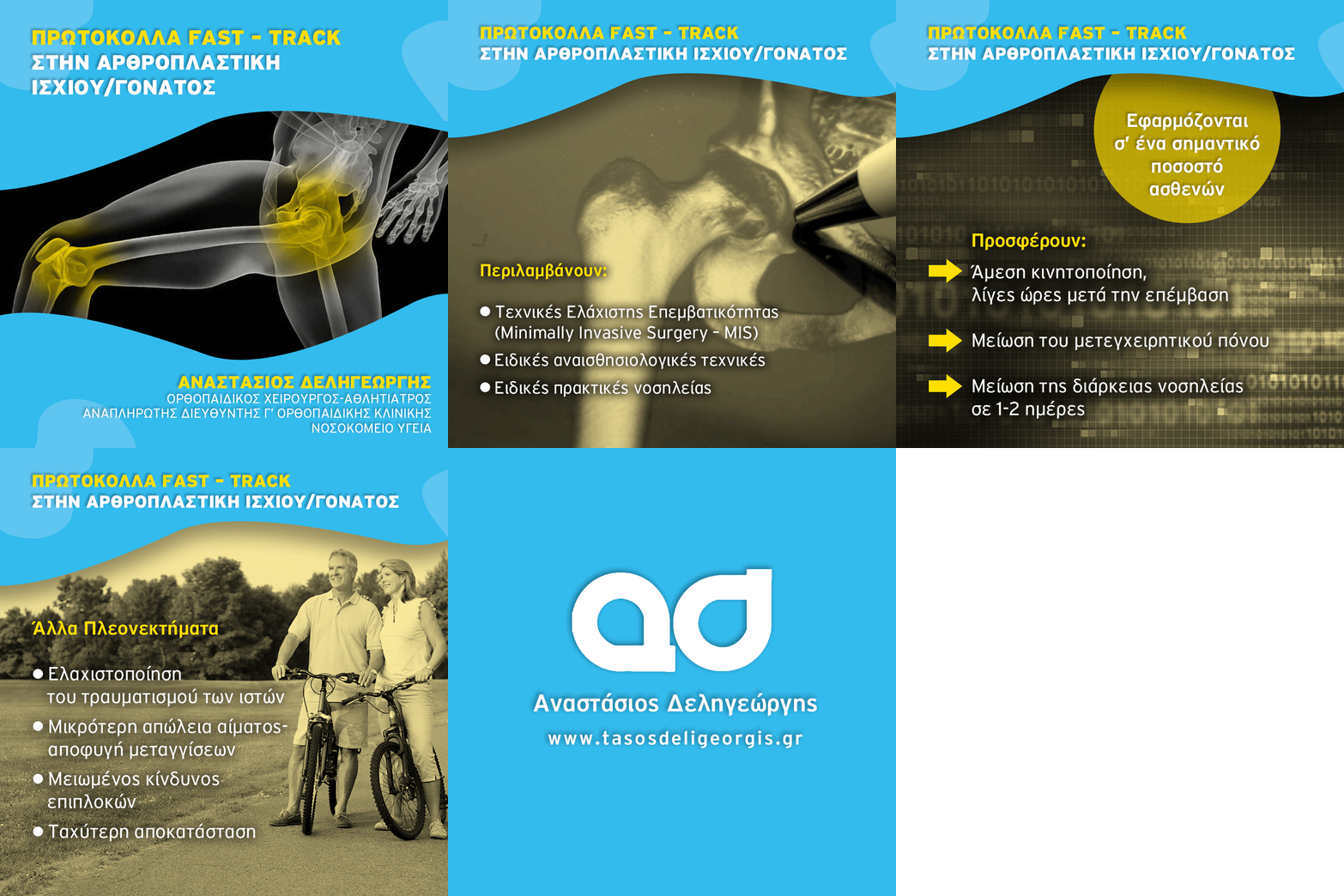
The implementation of Fast-Track Recovery Protocols in hip and knee arthroplasty for a significant percentage of patients offers dramatically better results and faster recovery compared to traditional techniques.
Fast-Track Protocols include the use of the latest Minimally Invasive Surgery (MIS) techniques, specialized anesthetic methods, and specific postoperative nursing/care practices. Their main advantages are the ability for immediate mobilization (just a few hours after surgery), reduced postoperative pain, and minimized hospital stay—typically 1 to 2 days.
Get the Help You Need Today!
How Are Fast-Track Protocols Applied?
Fast-Track Protocols are applied in hip and knee arthroplasty procedures, which are indicated for patients with advanced and chronic arthritis of any kind (osteoarthritis, rheumatoid arthritis, post-traumatic), after conservative treatments have failed. During arthroplasty, the damaged surface of the knee or hip is replaced with a special implant, restoring joint function and relieving the patient from pain.
During surgery, Minimally Invasive Surgery (MIS) techniques involve a much smaller incision (half the size of the traditional one), which minimizes tissue and muscle trauma, reduces blood loss, and alleviates postoperative pain. In cases where robotic technology is used, the procedure achieves exceptional accuracy in implant placement according to the preoperative plan.
At the same time, special anesthetic techniques (protocols) allow for faster patient awakening and reduce postoperative pain, which can now be managed easily with common painkillers.
The patient is mobilized with the assistance of a physiotherapist and following the specialized orthopedic surgeon’s instructions, just a few hours after surgery once the anesthesia has worn off, and can usually return home within 1–2 days. Note that the duration of hospitalization depends on the preoperative assessment, the patient’s medical history, and clinical condition, always with patient safety as the priority.
By applying Fast-Track Protocols, complications that often occur in conventional arthroplasty are minimized. For example, complications such as bleeding and the need for transfusion, thrombosis, and bedsores due to immobility are significantly reduced or even eliminated.
The immediate initiation of a physiotherapy rehabilitation program is a crucial part of recovery and contributes to the patient’s faster return to daily activities.
Get the Help You Need Today!
Fast-Track Protocols: What Are the Benefits for the Patient?
- Avoidance of tissue trauma
- Smaller incisions and avoidance of postoperative scarring
- Less blood loss and reduced need for transfusions
- Immediate mobilization (a few hours after surgery)
- Reduced postoperative pain
- Lower risk of complications
- Avoidance of postoperative restrictions (e.g., abduction pillow, toilet riser, etc.)
- Shorter hospital stay (1–2 days)
- Preventive use of crutches until the patient feels secure
- Faster recovery and quicker return to daily activities